
4th February 2026: World Cancer Day at MedAustron and the Strength of Ion Therapy
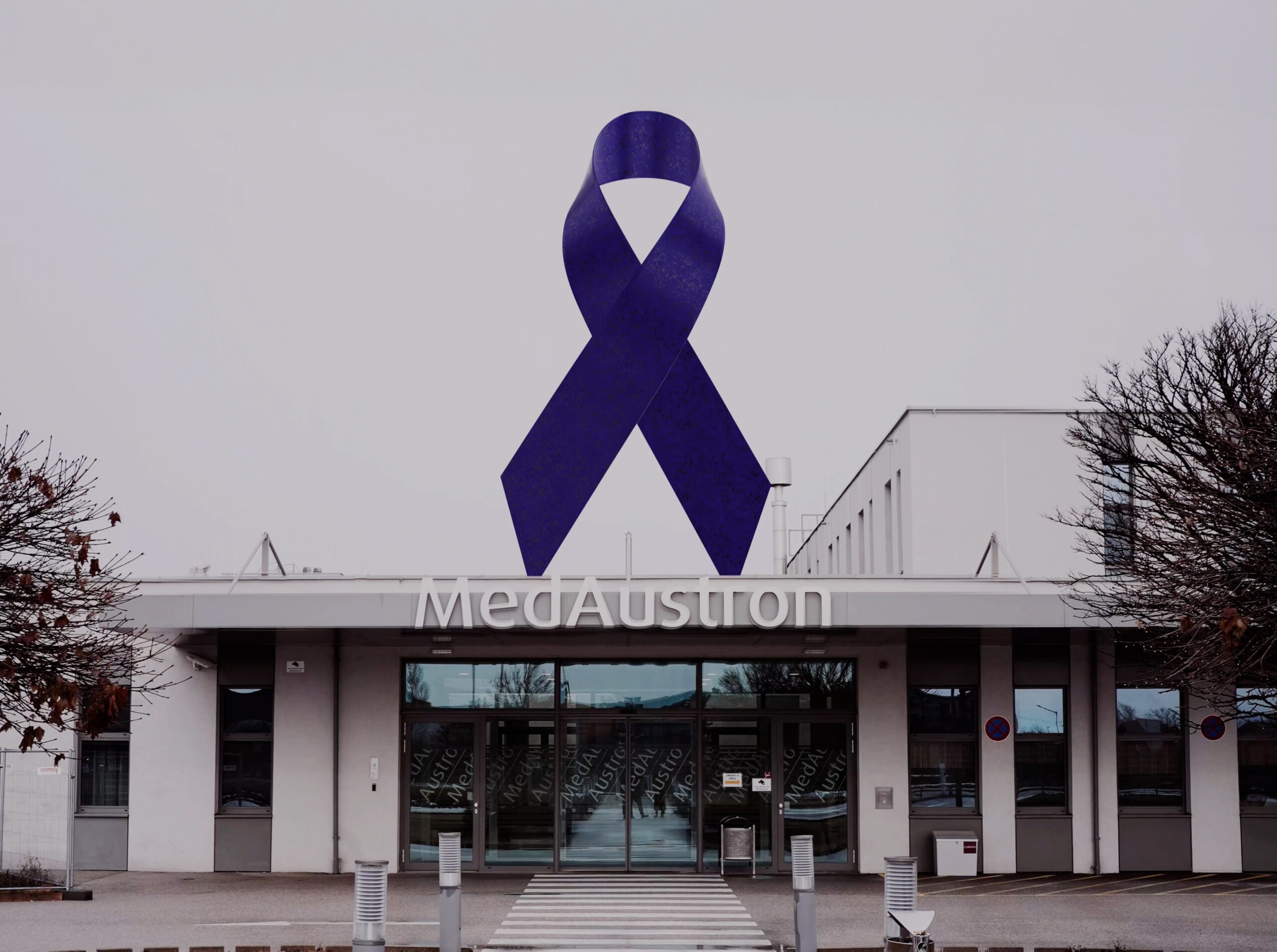
By the year 2045, an increase of around 21.6% in annual new cancer cases is expected in Austria. The main reason for this is the demographic development: our society is aging, and with rising life expectancy, the number of people who develop cancer during their lifetime is also growing. At the same time, however, the individual risk of receiving a diagnosis is decreasing – an indication that prevention, awareness, and medical progress are having an impact.
Meaning: More cases also means more people living with cancer, as well as an increase in cancer-related deaths. This makes it all the more important to further develop treatment approaches and to treat patients in a gentle yet effective manner.
Precise Cancer Treatment with Protons and Carbon Ions
At MedAustron, cancer is treated using individualized and highly precise ion therapy, a complementary form of radiation therapy. Both protons and carbon ions are available– a combination available at only a few centers worldwide.
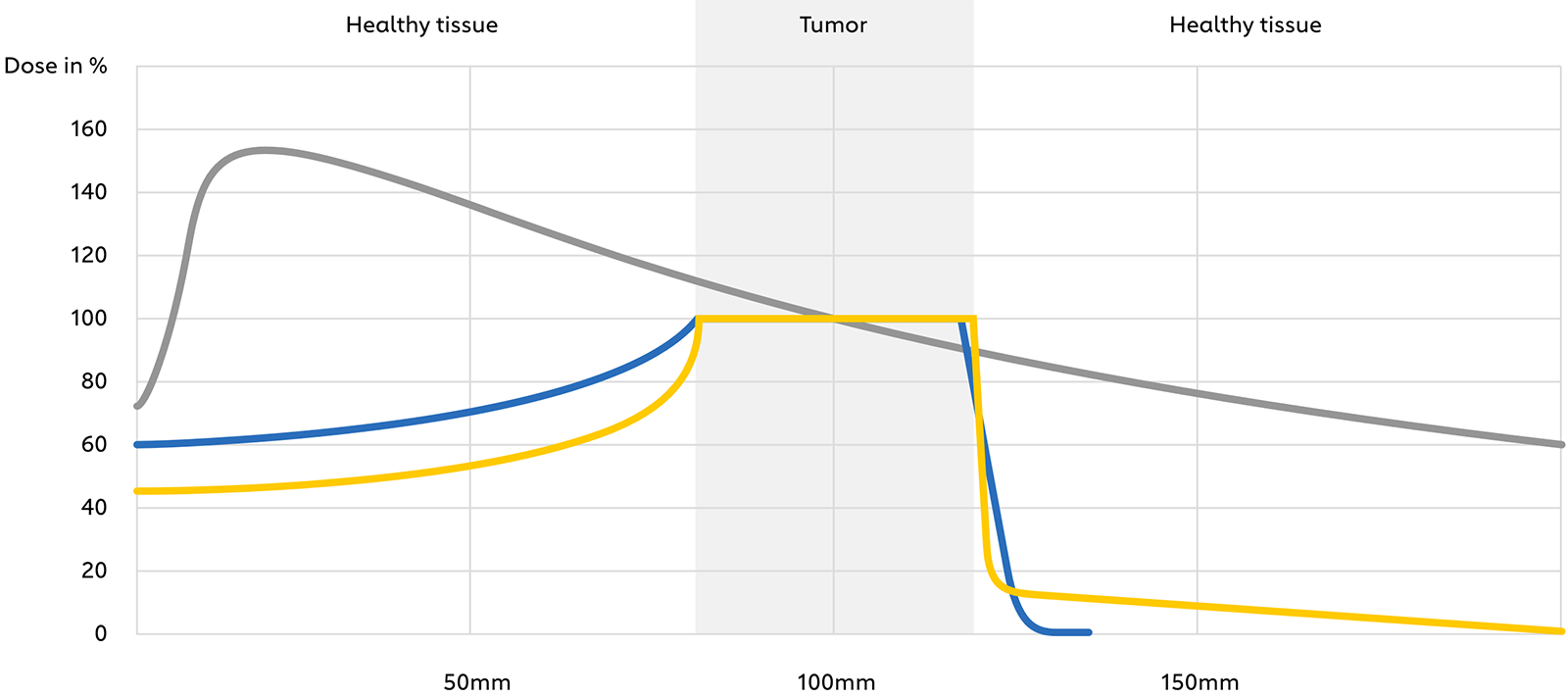
Compared to conventional photon- based radiation therapy, ion therapy enables significantly more targeted dose delivery, which better spares the surrounding healthy tissue. This approach is particularly crucial for tumors located near sensitive organs or in pediatric patients.
Because healthy tissue is exposed to less radiation, the risk of side effects and long-term consequences—such as hormonal and growth disorders or secondary tumors—can be reduced, thereby improving the quality of life for those affected. In addition, carbon ions possess a higher biological effectiveness, which is particularly important for radio‑resistant tumors.
Research and Innovation for the Therapy of the Future
Progress emerges where different disciplines work closely together. Research, technological innovation, and interdisciplinary exchange between medicine, medical physics, and physics are essential at MedAustron to continuously advance therapies.
One example of this is the treatment of choroidal melanomas, which has been available since autumn 2024. A specially developed system makes it possible to integrate this new form of therapy flexibly into clinical operations and to offer patients with this diagnosis treatment with proton therapy.
Working together for those affected
Applied research, cutting-edge technology, and interdisciplinary cooperation are opening up new therapeutic perspectives. MedAustron gives hope to those affected and supports them in their fight against cancer—on today’s World Cancer Day and on all the other 364 days of the year.
Sources: https://www.statistik.at/fileadmin/announcement/2026/01/20260113Krebsprognose.pdf / https://www.krebsreport.at/presse/2025/Pressetext-Krebsreport_2025.pdf